
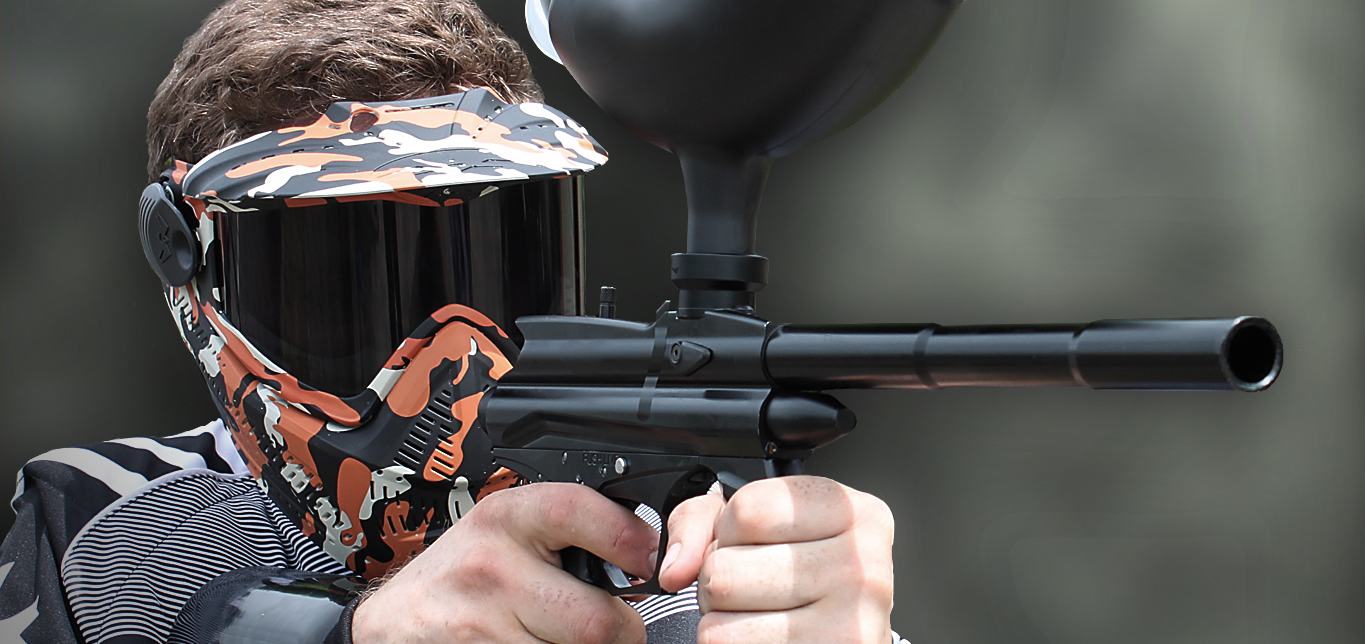
Chest, back, neck and other optional padding can make paintball more comfortable, especially for junior, first-time or nervous players. At many venues it is optional. It should never be treated as a substitute for a mask, controlled marker use or marshal supervision.
Choose comfort without creating another hazard
- Padding should fit securely and preserve breathing, vision, hearing and movement.
- Extra layers can increase heat load and fatigue.
- Body armour reduces discomfort only where it provides coverage.
- Eye and face protection remains the essential protective system.
What body armour may help with
- Reducing discomfort from impacts over covered areas.
- Adding a layer between the player and rough outdoor surfaces.
- Improving confidence for a nervous or first-time participant.
- Supporting age-specific or lower-impact sessions where extra coverage is offered.
What it cannot do
Torso padding does not protect the eyes and face, prevent unsafe firing, replace a barrel-blocking device or correct poor field control. It does not cover every possible impact area and should not be used to justify closer firing or higher marker velocity.
Fit and mobility
Check the armour over the clothing that will be worn during play. The player should be able to breathe deeply, turn, bend, crouch and raise both arms. Straps should stay secure without hanging loose. The lower edge should not catch on the legs and shoulder sections should not push the mask upward.
For a small or junior player
An adult vest tightened to its smallest setting may still be too long or unstable. Ask for junior-sized protection or a different option. Staff should check the complete fit with the mask and marker before the player enters the field.
Heat, hydration and fatigue
Padding traps heat and can reduce evaporation. Use breathable base layers, take breaks and drink water. A player who feels dizzy, confused, unusually weak, nauseated or unwell should stop and alert staff. Severe or rapidly worsening symptoms require prompt first-aid and medical attention.
On very hot days, the best solution may be lighter optional padding, shorter games or a changed schedule rather than simply drinking more while keeping every layer on.
Common optional items
| Protection | Potential benefit | Fit concern |
|---|---|---|
| Chest and back vest | Torso comfort and confidence. | Heat, shoulder movement and length. |
| Neck protector | Coverage of exposed neck skin. | Breathing, turning and mask interference. |
| Gloves | Hand comfort and surface protection. | Grip and access to marker controls. |
| Knee or elbow pads | Comfort when kneeling or using cover. | Slipping, circulation and restricted bending. |
| Groin protection | Additional impact protection. | Correct sizing and unrestricted movement. |
Rental hygiene and condition
Ask how shared padding is cleaned, dried and inspected. Wet, heavily soiled, damaged or poorly fastening equipment should be exchanged. Operators should have a method for taking defective equipment out of circulation rather than immediately returning it to the rental pool.
Questions for the venue
- Which protection is included and which items cost extra?
- Are junior sizes available?
- Is extra coverage recommended for this session or age group?
- Can a player remove optional padding between games if they overheat?
- How is rental padding cleaned and inspected?
- Can players bring their own padding, and will staff check compatibility?
Related guidance
See the complete safety gear guide, the mask safety guide and Safe Work Australia’s heat-risk guidance.